حول
This project was carried out with the support of the International Union for Conservation of Nature (IUCN) and PlantlLife with funding from MAVA foundation. Citation: Talhouk S, Itani M, El Zein H, Al Malti R, Al-Zein M (2017). Important Plant Areas in Lebanon – Booklet by Nature Conservation Center, American University of Beirut, Beirut, Lebanon.
ملخص
Preamble
To remove the cedar tree from the Lebanese flag would mean to lose an important symbol of our history, identity, and soul. Similarly, to lose the plants of Lebanon would mean to lose our Lubnan al akhdar (green Lebanon). As the loss of nature leads to the loss of identity, this book brings light to the importance of protecting Lebanon’s story. The information about important plant areas featured in this book was compiled and reviewed by scientists and experts from different universities and institutions in Lebanon. This book is a plea from Lebanese scientists to the Lebanese people. We have defined for you the areas that are important for plants and biodiversity, help us and work with us to take care of these areas: take action, stop and reverse the destruction of our natural heritage before it is too late.
Salma N. Talhouk, Professor at American University of Beirut, November 2017.
How do we define areas important for plants
Important Plant Areas (IPA) are places that hold an important diversity of wild plants and fungi. IPAs have been defined in 27 countries across Europe and the Mediterranean region. Normally, national experts define IPAs in their respective countries using unified global standards. A given area is defined as an IPA when experts provide sufficient justification and scientific evidence to prove that it contains exceptional botanical richness, threatened species, and/or threatened habitats. IPAs can overlap with any type of land whether it be private or public, protected or unprotected. Once experts define IPAs in a country, they communicate these areas to the public and decision makers. For example, decision makers may benefit from identified IPAs to assess whether there are gaps in the national protected areas network of the country. With respect to the public, informing residents who live within the geographic boundaries of IPAs may encourage them to lead community-based conservation and sustainable management actions. Furthermore, IPAs may become target locations for citizen science monitoring and conservation research led by a partnership between universities and citizens. Although the ideal aim is to achieve conservation of important areas for plant diversity, it may not always be possible to formally protect an IPA.
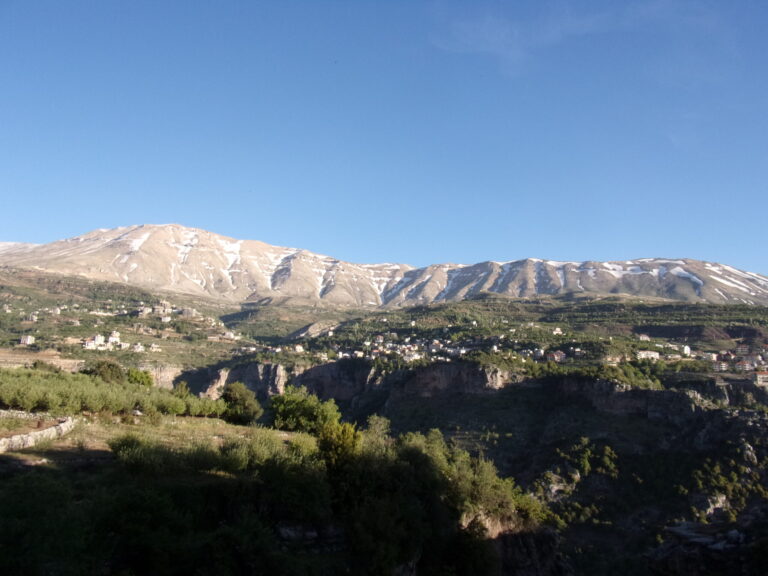
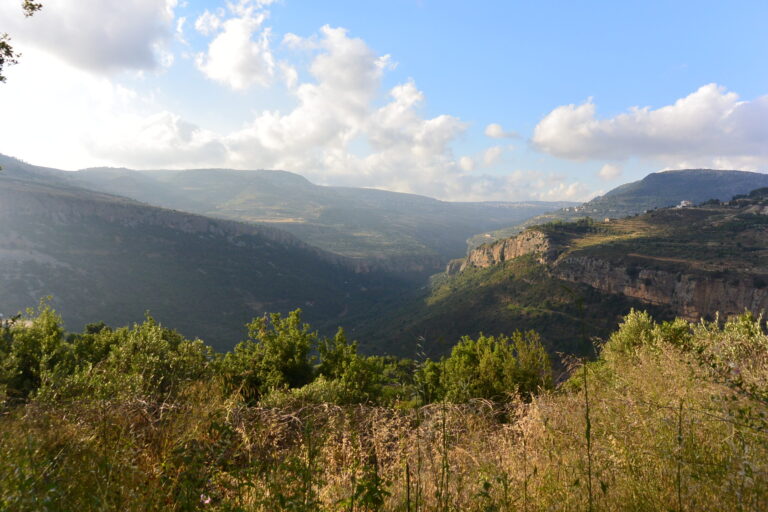
A large number of rare plant species grow in Lebanon with limited geographic distributions. This richness is due to the location of the country which is at the intersection of different continents. In addition, Lebanon’s mountainous nature forms isolated areas with unique local climates.
To define IPAs in Lebanon, national experts worked in collaboration with international conservation organizations, namely, IUCN (International Union for Conservation of Nature), Plantlife, and WWF (World Wild Fund). The IPAs were identified on base of their richness in plant species and also on the presence of endemic and threatened species.
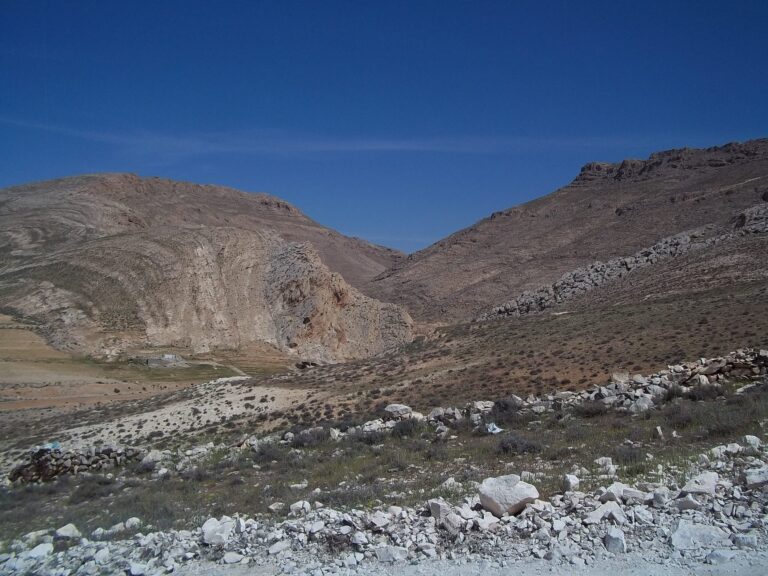
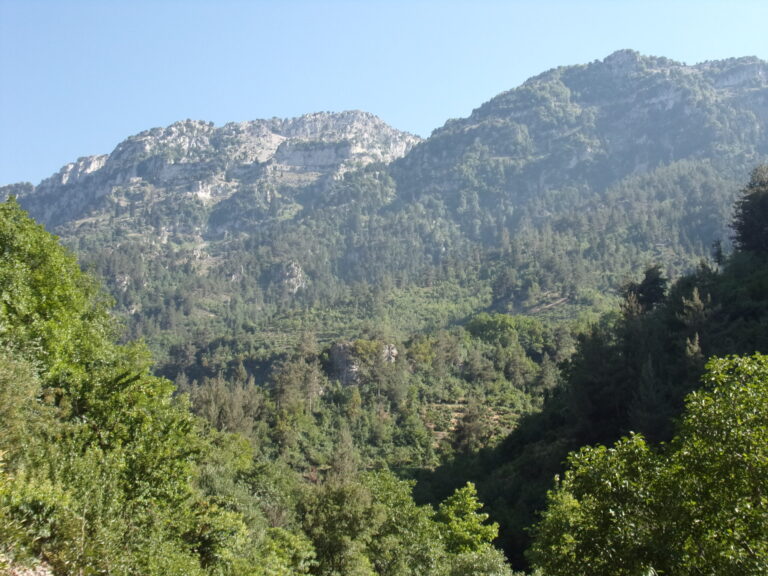
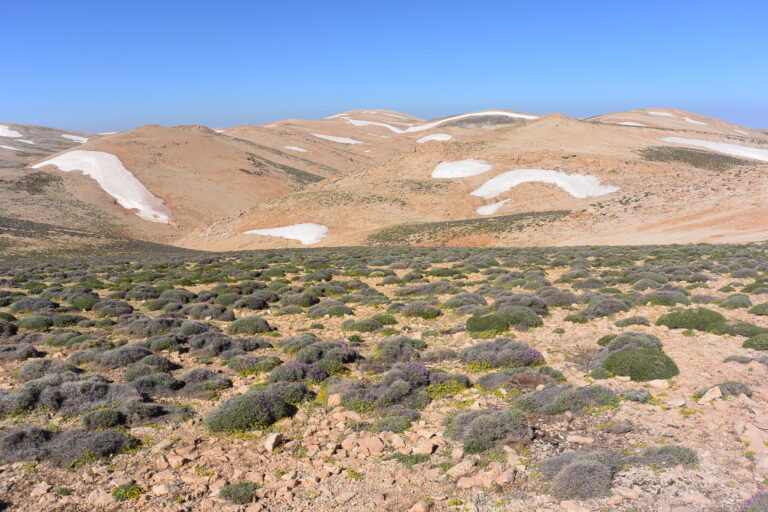
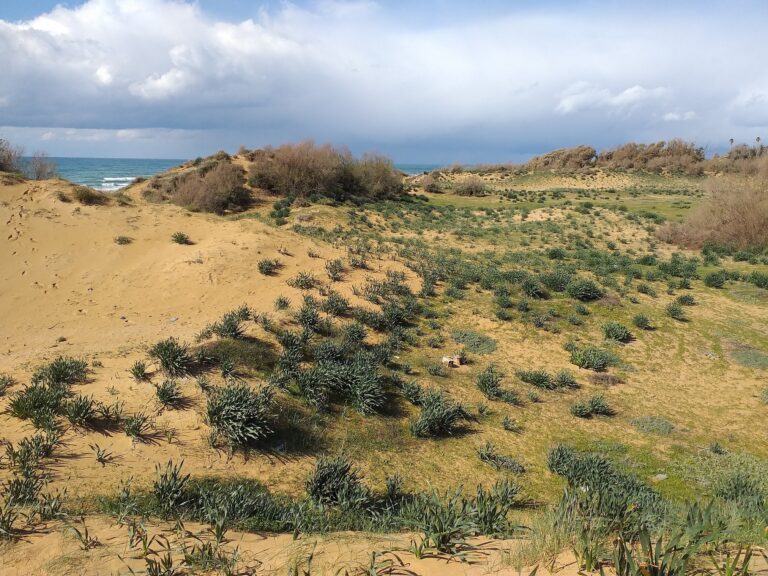
The level of endemism was detailed by mentioning the different countries in which these species occur. Areas with the highest number of species strictly endemic to Lebanon have an important biological value and effort for conservation should focus on these regions. A total of 26 IPAs were defined in Lebanon. Of these, 16 are in the Mount Lebanon range, on west facing slopes and high mountain plateaux. The remaining ten IPAs are found in the Lebanese coast, the Bekaa valley, and the Anti-Lebanon mountain range.
الصور (6)
المنشورات ذات الصلة
Setting conservation priorities for Lebanese flora—Identification of important plant areas
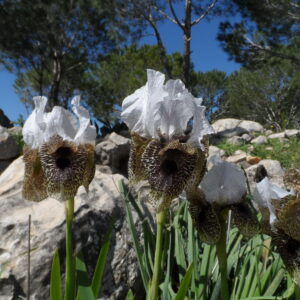
Decline of endemic Oncocyclus irises (Iridaceae) of Lebanon: survey and conservation needs
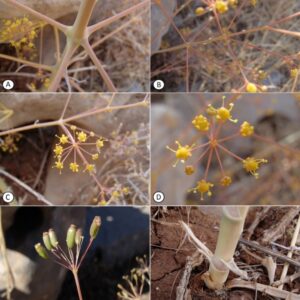
Newly recorded for the vascular flora of Lebanon: Ferula biverticellata J
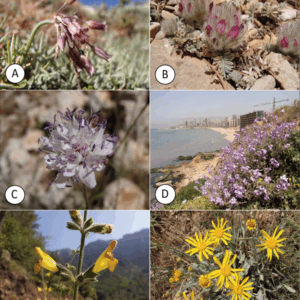
First comprehensive IUCN Red List assessment of 100 endemic species of the flora of Lebanon